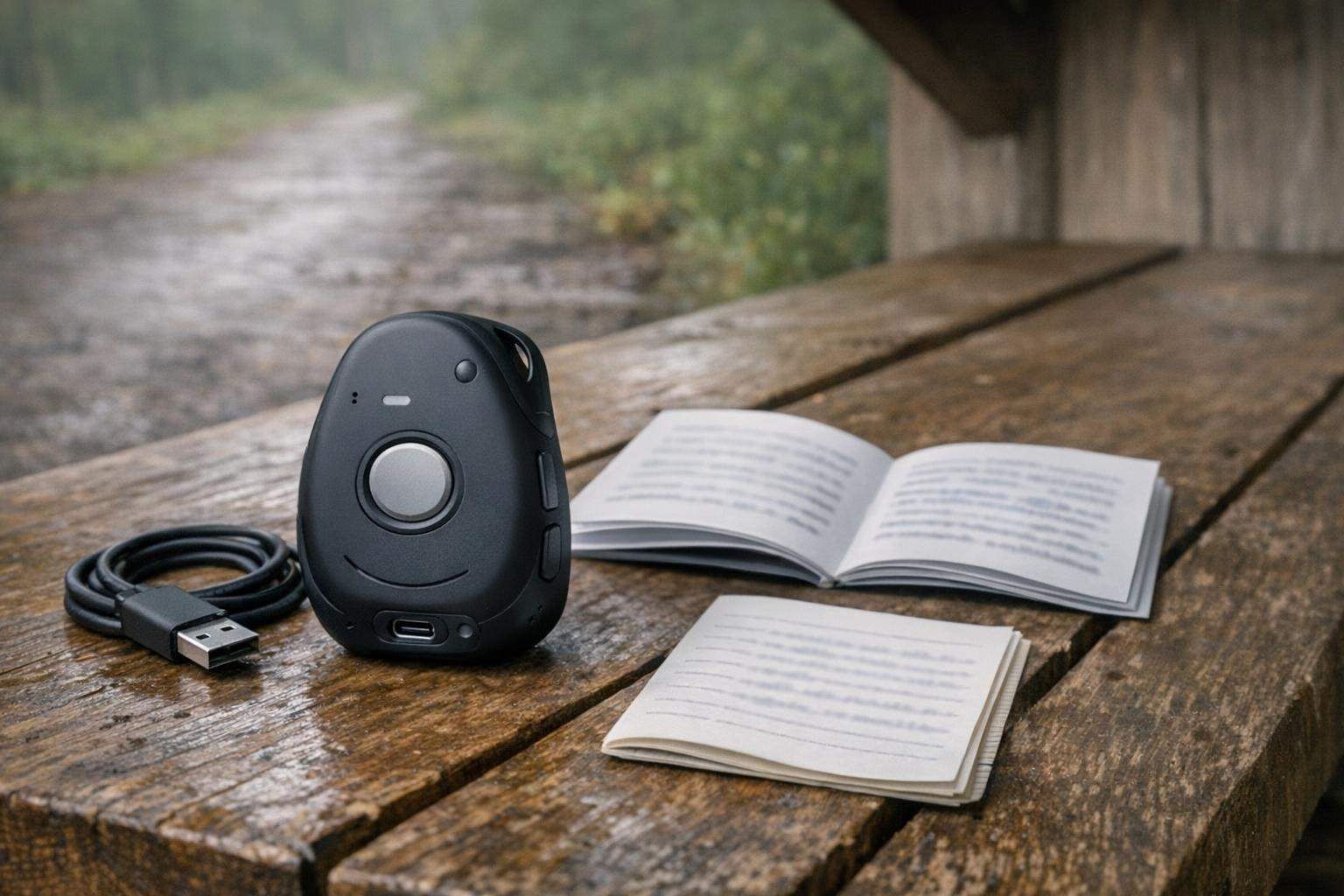
Recording Battery Care and Service Dates for Personal Safety Devices
A simple log of who used the personal safety device and when it was checked for things like being fully charged, having the correct batteries inserted, having the correct chargers used for recharging, etc. can be very useful. Most people don't want to spend a lot of time on such a log but need to remember certain details of the care of the device and find the relevant information in due course.
Start with the information that belongs to the device
The make and model number of the personal safety device should be recorded, as well as the date it was first used. This information should be recorded and stored with the personal safety device's manual. If the personal safety device has a removable battery, make a note of the type of battery and the marking on the battery as detailed by the manufacturer. Do not rely on what you think the battery type or marking is, rely on what the manufacturer states in the manual for the personal safety device.
Make sure that all of the information and instructions for your personal safety device are contained within the manual. If the manual is lost, attempt to find an official replacement manual for your device or seek guidance from the manufacturer via an authorized contact. NEVER rely on information regarding recharging of batteries (and their subsequent care and maintenance) from another personal safety device. Although they may appear to be similar, all personal safety devices have different types of batteries, connectors, chargers and parts that must be recharged in specific ways in order to function properly and safely.
For our example personal safety devices, we will begin with an identification block as follows:
– Device make and model
– Battery or power-pack marking
– The charger(s) or cable(s) for recharging as recommended by the manufacturer.
– Purchase or first-use date, if known
– Manual location
– Manufacturer service or inspection guidance
By recording information specific to a device we can avoid treating all small electronic safety products as if they required the same care.
Choose a record system you will actually use
For starting to note battery maintenance for rechargeable products like your stun guns, a simple paper card that you store with the unit is the best and easiest way to track needed actions. Because so many people in one household are using these safety items, storing the log on the device itself is very useful. However, that means it may not be near a phone.
This note will be easier to update than a paper note and can be searched by future you for past service dates for future servicing of batteries etc. Use the name of the model as the label for the note (e.g. "rechargeable USB battery safety notes") rather than "charge safety item" or similar.
By adding a few more fields such as for battery replacement or for notes about contact with the manufacturer, a spreadsheet can serve well to keep track of a number of batteries, including their history. Of course the biggest trade-off is time and the fact that a more complex record system could, in the end, actually serve to deter use rather than to be of help.
Most people will find a simple paper card stored with the appropriate equipment, and an appropriate future date for a review set on their phone, the best medium to use for the logs. Write the model number of the item on the front of the card, and include whatever information you feel is relevant on the back. This should form the core of your logs.
Record charging without guessing
Record all recharging events as you make them. A simple note as to whether you used the stored charger or a different one would be good as well as a note as to whether the Safety Device indicated it was recharging properly. Also any other observations you make whilst recharging would be good to note as well.
Always record the full version of a manufacturer's instructions or service information in your own words. Record the full version of the manufacturer's information in the new document and hyperlink to the original version. This does not mean extend, reduce or modify the information for another product with different requirements.
If the battery, casing, cables or charging connections develop unusual signs of excessive wear such as becoming unusually hot, becoming swollen or developing cracks, becoming wet, developing unusual discoloration, etc., cease all use of the unit and contact the manufacturer for service or repair guidance. Do not attempt to repair or modify the safety features of a battery in an attempt to continue to use it.
A simple note such as: "Checked condition; used listed charger; indicator appeared normal; no damage seen; manual reviewed." Note any things that you were unable to check. Make sure you record any honest gaps in your checks.
Add service dates and condition checks
The Manufacturer service dates for a particular product should be recorded on a separate line for these to be easily identifiable from your other notes regarding charging etc. If the Manufacturer does not provide any service dates for a particular item, then simply record the date that you contacted them for advice or that you last read the current version of their manual.
During your inspection check the external condition, controls, charging port, cable and battery compartment (if applicable). Also, check the storage case as stipulated in the manual. For the internal parts of the device, look for signs of corrosion, loose parts, torn insulation, signs of moisture penetration and any change in the devices' indicators.
When logging a service, it is helpful to indicate what has happened. Even if you are no longer able to log that a service is required, you should still keep any receipts, notes and details of any parts that have been replaced with the log for the device. Note that requirements for service etc may change so it is best to check the most up to date manufacturer's guidance on disposal etc.
Store the record with a safe storage routine
Store equipment in line with safe storage for the equipment as described by the manufacturer for the safe storage of the equipment and keep approved charger or approved cable for the approved equipment in a safe location to ensure that it is easily identified and not to be mistaken for approved accessories for other safety equipment.
In using a device prior to use you need to ensure that the unit has been stored safely and this record needs to be accessed prior to use. Others (children, friends and family, unknown users) could add danger to using the safe storage of the device and so the safe storage must be secured to prevent misuse by others.
Mistakes recording the maintenance of small safety electronics are typically minor and involve matters such as failing to write the model number of the product being charged, using a vague recurring reminder, losing the manufacturer's manual for the device, or failing to fully inspect all parts of the charging cable and the exterior of the device each time the maintenance is performed and so marking it as complete. Also, the device is used because it has recently been charged, even though it has suffered some form of physical or behavioral damage in the meantime.
Keep in mind that recording the fact you have maintained the old equipment safely does not make it safe to use. The record though does show what you did, what you might have missed and helps you decide whether to continue to use it for now and get manufacturer support, to have the old batteries of that safety device recharged through approved channels or to retire it safely.